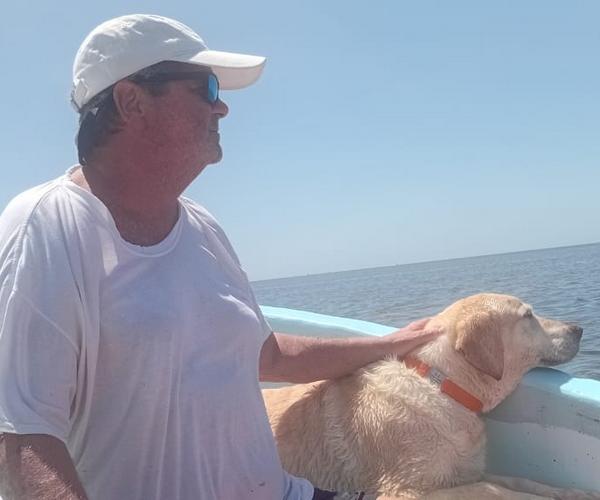
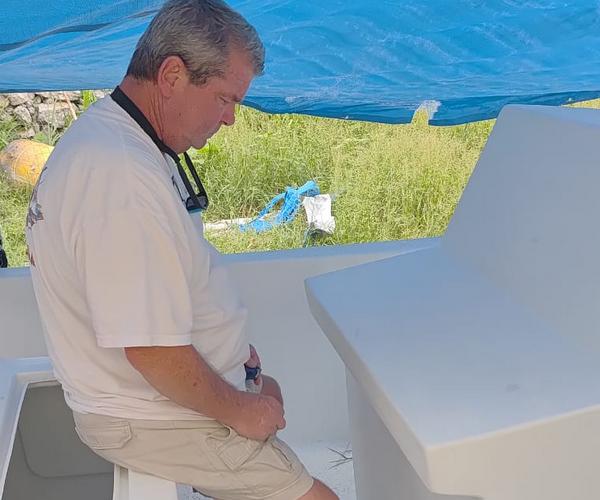
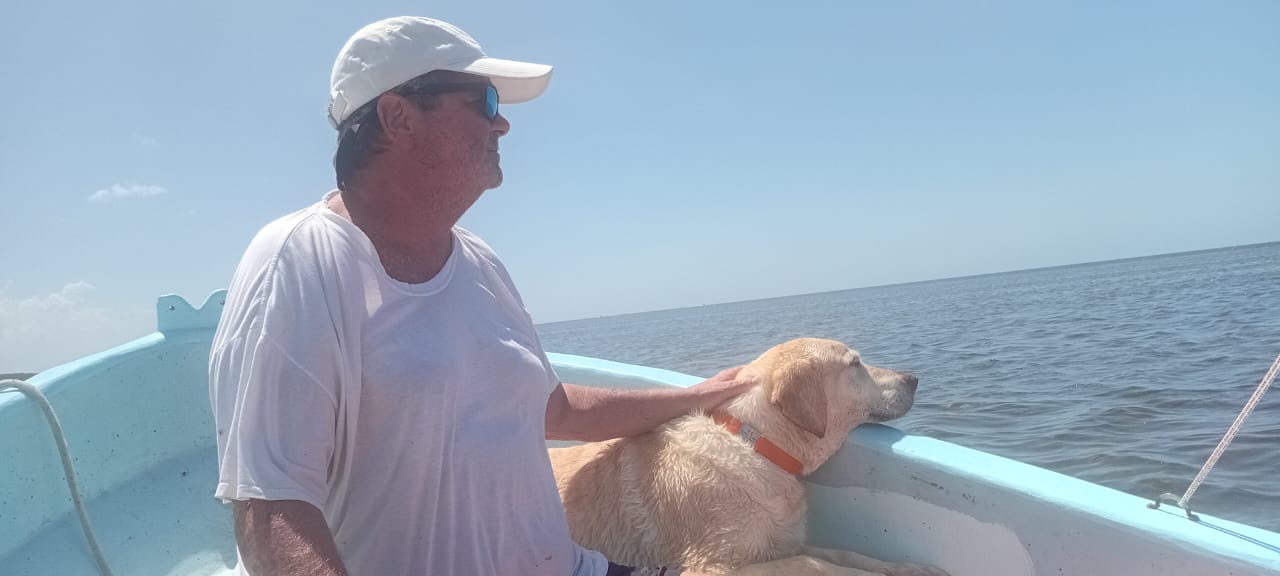
Captain William Watt Jr was diagnosed with Parkinson´s disease in 2018, then in 2025 it was confirmed that he has it combined with Multiple Sclerosis.
What it is:
A brain condition that affects movement. It happens when certain nerve cells in the brain stop making enough dopamine — a chemical that helps control movement and coordination.
Common symptoms:
Diagnosis:
There’s no single test for Parkinson’s. Doctors usually:
What it is:
A condition where the immune system attacks the protective coating (myelin) around nerve fibers in the brain and spinal cord. This causes communication problems between the brain and the body.
Common symptoms:
Diagnosis:
Doctors use several tools to diagnose MS:
Key point:
Both conditions affect the nervous system but in different ways — Parkinson’s mainly impacts movement control due to dopamine loss, while MS disrupts the brain-body communication through nerve damage.
Medical Planning: How Parkinson’s/MS symptoms are managed on the water.
Managing Parkinson’s disease (PD) and multiple sclerosis (MS) on the water requires anticipating fluctuations in strength, coordination, fatigue, and cognition — and then building medical routines, vessel adaptations, and safety systems around them.
1. Daily Operational Safety
2. Onboard Physical Safety
3. Emergency Preparedness
Emergency Handoff Protocol: If Captain Watt becomes incapacitated:
4. Docking & Lock Safety
5. Community & Support Safety Net
6. Mental & Emotional Safety
The protocols combine prevention (grab rails, meds on schedule, rest days) with preparedness (emergency handoff, telemedicine, buddy boats). With these in place, Captain Watt can cruise the Loop with confidence while managing Parkinson’s and MS safely.