Health Protocol

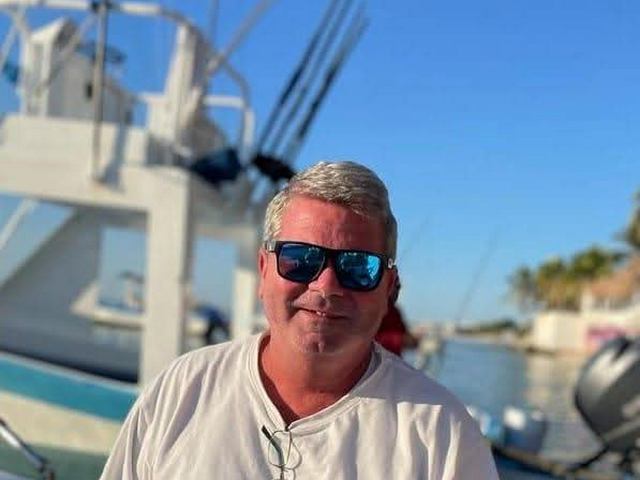
Captain William Watt Jr was diagnosed with Parkinson´s disease in 2018, then in 2025 it was confirmed that he has it combined with Multiple Sclerosis.

Adaptions onboard

Click on each title to read more:

Parkinson’s-Specific Needs at Sea
Core Challenges
  • Tremors, rigidity, slowness of movement (bradykinesia) → difficulty with fine motor tasks, helm controls, docking lines.
  • Medication timing sensitivity → missing a dose or taking it late can cause rapid symptom worsening.
  • Fatigue & “off” periods → physical ability can vary dramatically throughout the day.
  • Balance issues → higher fall risk on moving decks.
Management Strategies
  • Strict medication schedule → set multiple alarms; First Mate should monitor compliance.
  • Accessible medication station → labeled containers, automated pill dispenser, and refrigeration if needed for certain drugs.
  • Adaptive controls → joystick steering and autopilot reduce tremor-related difficulties.
  • Grab bars and non-skid flooring throughout for stability.
  • Crew task sharing → Captain handles helm when strongest, First Mate handles line work/docking.
Core Challenges
  • Heat and cold intolerance → MS patients often experience symptom flare-ups with temperature extremes.
  • Muscle weakness & spasticity → varies daily, may affect walking and grip.
  • Cognitive fog → memory lapses, slowed thinking can complicate navigation.
  • Fatigue → unpredictable, often profound.
Management Strategies
  • Temperature regulation → air conditioning redundancy, cooling vests, shaded cockpit, heated blankets for cold snaps.
  • Energy pacing → cruising every other day, building recovery days into the itinerary.
  • Accessible layout → wide passageways, roll-in shower, low thresholds.
  • Emergency plan → designate roles so First Mate can take full command if fatigue spikes.
  • Cognitive support → written checklists, laminated procedures at helm, autopilot with route pre-programming.


Since Captain Watt has both conditions, careful integration is critical:


Daily Routine
  • Fixed wake/meal/medication schedule.
  • Helm duties during his strongest hours (usually morning or post-medication “on” periods).
  • Mandatory rest blocks each afternoon.


Medical & Safety Gear
  • Medication organizer + backup supply.
    AED (automatic defibrillator) and advanced first aid kit.
  • Satellite communicator (Garmin inReach, Iridium Go) for remote stretches.
  • Service dog (“Blue”) trained for support, retrieval, and alerting.


Emergency Procedures
  • First Mate fully trained to solo helm, navigate, and dock if needed.
  • Pre-shared “emergency handoff” routine: if Captain becomes incapacitated, First Mate assumes command.
  • Nearby marina/lockmasters pre-notified when needed — Looper community often helps.
First Mate as caregiver:

Monitors symptoms, manages medication, handles heavy lifting.

Service dog:

Helps with stability, retrieves items, alerts during “off” periods or fatigue events.

Looper community

Many Loopers travel in small flotillas — Captain Watt could coordinate with buddies for extra backup on long river stretches.

Managing PD and MS on the water is about strict routines (meds, rest, pacing), adaptive equipment (joystick helm, cooling systems, grab rails), and robust support (First Mate, service dog, Looper network, emergency comms).

Safety protocols are the backbone of making the Great Loop viable for Captain Watt while living with Parkinson’s and MS.

Because both conditions carry risks of fatigue, falls, sudden weakness, or “off” periods, the safety plan has to be more robust than the average Looper’s.

Daily Operational Safety
  • Medication Alarms: Set multiple reminders (phone, smart watch, First Mate) to avoid missed doses.
  • “Fit for Helm” Check: Before each cruise leg, quick assessment — is Captain Watt steady enough to helm? If not, First Mate takes helm.
  • Short Cruise Windows: Limit travel to morning or early afternoon, when fatigue and heat stress are lower.
  • Mandatory Rest Days: At least 2–3 per week, and more during challenging stretches (locks, rivers).
Onboard Physical Safety
  • Grab Rails Everywhere: Helm, galley, head, passageways, and cockpit.
  • Non-Skid Flooring: Inside and out; reduces falls.
  • Harness & Tether (if topside): If outside the helm while underway, Captain Watt should clip into jacklines — same as offshore sailing safety.
  • Accessible Cabin Layout: Wide passageways, roll-in shower, adjustable berth, no tripping hazards.
  • Service Dog Support: “Blue” aids balance and can alert the First Mate during a medical event.
Emergency Preparedness
  • First Aid & Medical Gear: AED, advanced first aid kit, oxygen concentrator (if prescribed), spare meds, cooling vests, heated blankets.
  • Redundant Communications: VHF radio, cell booster, plus satellite communicator (Garmin inReach/Iridium).
Emergency Handoff Protocol: If Captain Watt becomes incapacitated:
  • First Mate takes helm immediately (already trained).
  • Service dog guided to safe position.
  • Radio call to nearby vessels/marina/Coast Guard if needed.
  • Pre-written medical summary kept at helm for responders (diagnoses, meds, emergency contacts).
Docking & Lock Safety
  • First Mate Primary on Lines: To avoid fall risk for Captain Watt.
  • Communication Headsets: So Captain and First Mate can coordinate without shouting in stressful docking/locking.
  • Marina Requests: Call ahead for side-tie or ADA-friendly docks where possible.
  • Lock Protocol: Notify lockmasters of mobility needs; many are accustomed to assisting.
Community & Support Safety Net
  • Looper Flotillas: Travel with buddy boats where possible — instant backup in emergencies.
  • AGLCA Alerts: Use Looper network to identify accessible marinas and supportive stops.
  • Telemedicine Access: Subscription to marine telehealth service for real-time medical guidance.
Mental & Emotional Safety
  • Cognitive Backups: Written checklists for procedures (engine start, docking, navigation) reduce stress if MS brain fog or PD “off” periods occur.
  • Fatigue Flexibility: Culture onboard = no pushing through symptoms. If Captain Watt is fatigued, day off is mandatory.
  • Crew Care: First Mate must also have recovery breaks — rotating duties when possible, or using buddy boats for support.


The protocols combine prevention (grab rails, meds on schedule, rest days) with preparedness (emergency handoff, telemedicine, buddy boats). With these in place, Captain Watt can cruise the Loop with confidence while managing Parkinson’s and MS safely.